


A. Autumn and winter are critical seasons for ear care.
As temperatures drop, the ears face challenges related to reduced blood circulation. The key is to keep them warm, prevent dryness, avoid water ingress, and refrain from indiscriminate picking or scratching. Cold weather impairs blood circulation, making ears prone to frostbite, while dry air and temperature fluctuations can trigger itching, peeling, and even eczema.

B. How can you properly protect your ears?
-
Keep warm to prevent frostbite; wear a hat or earmuffs when going out. The skin on the ears is thin and lacks subcutaneous fat, causing rapid heat loss in cold winds; ensure both the auricle (outer ear) and earlobe are covered when outdoors.
-
Avoid prolonged exposure to the cold. Low temperatures cause blood vessels in the ears to constrict, potentially leading to ischemia (reduced blood flow). Break up outdoor activities, and go indoors to warm up if you feel your ears going numb.
-
Gently massage to boost circulation. Use your fingertips to gently rub the auricle upwards from the earlobe until it feels slightly warm; avoid excessive force that could damage the skin.
-
Manage dryness and itching. Autumn and winter air is dry, often causing dehydration of the ear canal skin; while itching and peeling are common, avoid scratching with your fingers.
C. How should you treat ears that are already irritated or injured?
-
Identify the cause before treating. Itchy ears are not necessarily due to frostbite; conditions like eczema of the external ear canal and fungal otitis externa are more common. Eczema is characterized by itching that worsens with scratching, redness and peeling at the ear canal opening, and sometimes yellow discharge; fungal infections cause intense, deep itching that is particularly noticeable at night.
-
Moisturize for mild dryness. Apply a fragrance-free, alcohol-free oil or moisturizing cream suitable for the ears 2–3 times daily. 3. Avoid using cotton swabs in your ears: Cotton swabs can push debris and fungi deeper inside, often making the itching worse the more you dig. Instead, use dedicated ear-care devices. If the itching is severe enough to affect your daily life, consult an ENT specialist or dermatologist rather than applying the wrong ointments.

D. Don't overlook daily details
-
Dry the area around your ears promptly after bathing or washing your hair: Moisture trapped in the folds of the outer ear can foster bacterial growth and increase the risk of frostbite.
-
Manage headphone volume and usage duration: Be extra cautious when using headphones in cold weather; listening at high volumes for extended periods can cause significant hearing damage.
-
Avoid using hot water to relieve itching: Scalding the ear with hot water when it is frostbitten or itchy causes blood vessels to dilate, worsening swelling and potentially leading to ulceration.
E. How can the right ear-care tools help you?
Many people neglect ear care in their daily lives. When faced with itching, pain, or earwax buildup, they often resort to using cotton swabs, tissues, or other makeshift tools. Such blind usage fails to solve the problem and can actually cause injury to the ear.

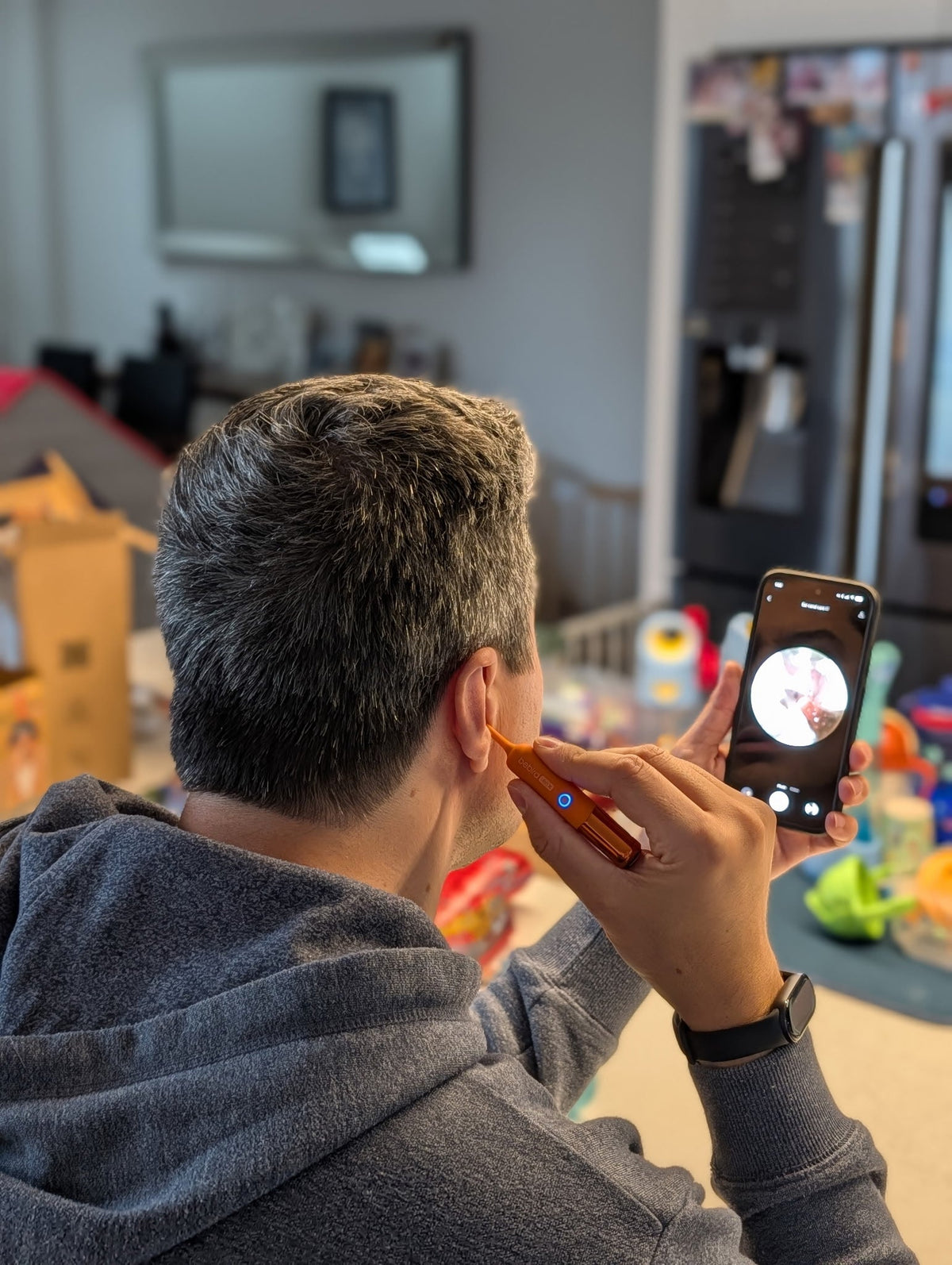
Bebird has spent eight years transforming ear care from a "blind" process into a visual one. By utilizing endoscopic technology, the company eliminates the need for guesswork—a significant technological breakthrough. Visual ear technology allows users to address issues such as eardrum perforations, internal wounds, earwax accumulation, and foreign objects. It also enables routine and ad-hoc ear inspections, allowing users to check their ears before seeking professional medical attention, thereby facilitating true prevention and timely treatment.

Over the past eight years, Bebird has developed a range of ear-care tools, with the Ultra X standing out as a consumer favorite thanks to its clear camera and smooth video feed. It combines painless operation, visual monitoring, and ear protection, placing it at the forefront of ear-care technology in terms of safety. Users can precisely apply ear-care solutions to any area inside the ear—even in cases of perforation or injury—demonstrating the product's unique commitment to safety.





Leave a comment
This site is protected by hCaptcha and the hCaptcha Privacy Policy and Terms of Service apply.